Myo-inositol is a carbohydrate found naturally in your body. It helps with hormones and blood sugar regulation. There’s some evidence that Myo-inositol may be helpful in general for people with polyendocrine metabolic ovarian syndrome (PMOS), formerly known as polycystic ovary syndrome (PCOS) — a common hormone imbalance. Myo-inositol helps with this by balancing hormone levels. This may promote more regular menstrual cycles and lead to higher pregnancy rates.But even though many studies have been done on myo-inositol, it’s not completely clear yet how well it works.
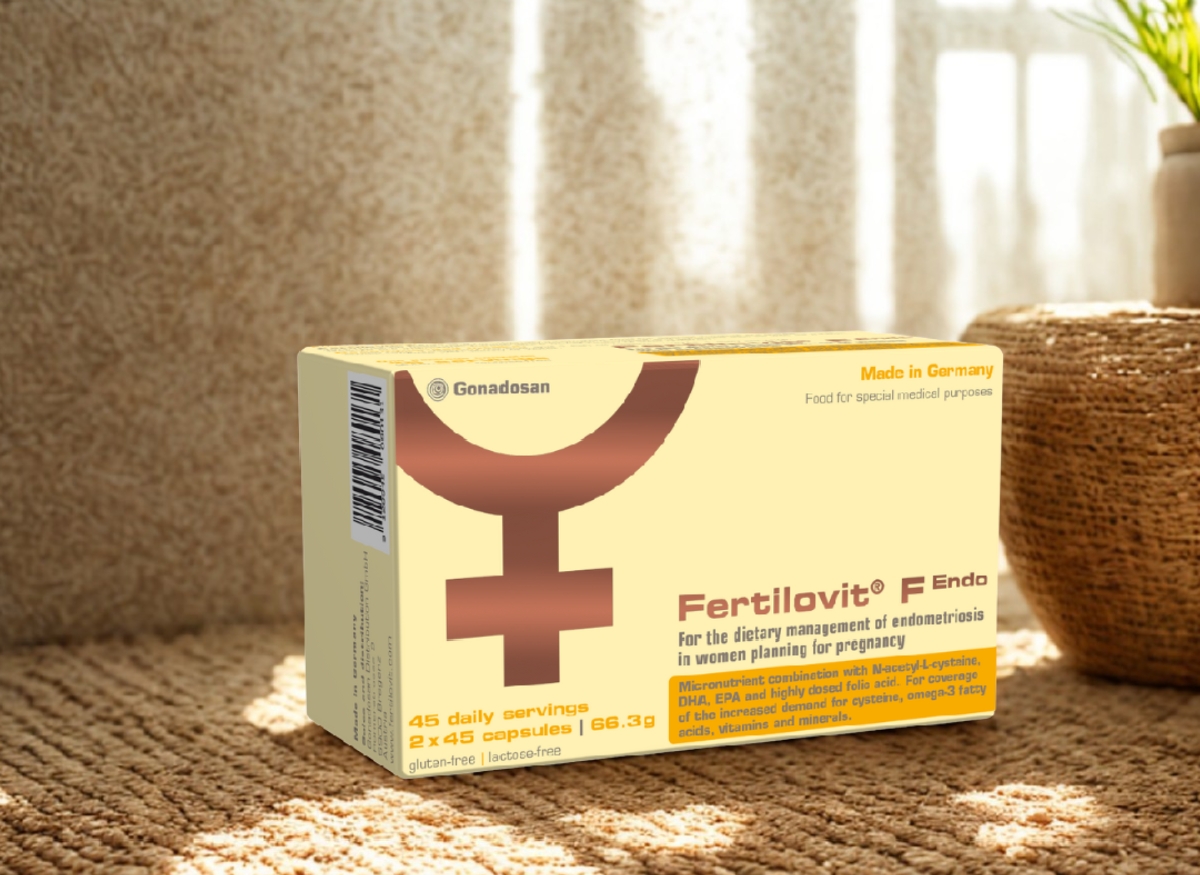
N-acetylcysteine (NAC) is an antioxidant with many uses. It’s used for acetaminophen overdose, and it can also dissolve and break up mucus in the lungs. Its antioxidant properties may also help to improve reproductive health. There’s some evidence that taking NAC might help with female fertility, especially for women with PMOS. But so far, only a few small studies have been done.
Coenzyme Q10 (CoQ10) is an antioxidant that occurs naturally in your body. Among other things, it’s said to prevent heart disease, reduce cholesterol, and prevent migraines. Some people also take it for infertility — especially when going through assisted reproductive treatment (ART).Though there’s some evidence that CoQ10 might improve egg quality, there haven’t been any large-scale studies done yet. It’s also not clear from the research how much CoQ10 to take. Still, a CoQ10 supplement for fertility is generally considered safe to try. It may give your other fertility treatments a helping hand — or it may have no effect at all. If you’re interested in trying CoQ10, talk with your gynecologist or fertility specialist. They can help you understand the pros and cons of adding it to your fertility plan.
L-carnitine (LC) is a supplement form of carnitine. Carnitine is a nutrient that helps your body make energy.Taking carnitine supplements seems to help with male infertility, but it’s less clear whether it works for women. So far, there’s some evidence that LC might be helpful for women with PMOS — especially when combined with infertility medications. But larger, more long-term studies need to be done before we can know for sure.
Vitamin D is a nutrient you need for strong muscles, nerves, and bones. Your body makes it naturally when you’re exposed to sunlight. You can also get it from certain foods, including fortified orange juice, milk, and cereal. There’s also some evidence that vitamin D helps to regulate your periods. And, in some research studies, vitamin D supplements were linked to improved pregnancy rates. So far, though, it’s not clear whether this was just for women with low vitamin D levels or for all women trying to get pregnant.Melatonin is a hormone that supports a normal circadian rhythm (your body’s daily cycle).
Melatonin also helps to regulate your menstrual cycle. Melatonin supplements are typically used for sleep-wake disorders, jet lag, and short-term insomnia. But there’s also some evidence that melatonin might improve pregnancy rates in women undergoing fertility treatment. This may be especially true for older women, as melatonin naturally decreases with age. It’s also possible that melatonin might help to slow ovarian aging and boost the number of eggs available through ART procedures.
Others include Vitamin E, Zinc, Folic and B- Complexes

Goodrx